Page
There is nothing quite like the sudden stop when a key refuses to turn, followed by the dreaded crack as it snaps inside the barrel. For homeowners in Brighton, this scenario carries extra stress; you are dealing with older stock, potential security risks, and the need for a swift resolution that does not leave your property exposed. Many people assume a snapped key is just bad luck or an old mechanism giving up, but more often than not, it points to wear patterns, material quality, or how we interact with our hardware every day. Understanding what causes these failures gives you the power to prevent them, and helps you make smarter choices about maintenance and upgrades before you ever need to call out an emergency locksmith Brighton for a forced entry or urgent repair.
The mechanics of wear and metal fatigue
Keys are steel, cut with precision, and subjected to immense shear forces every time you engage a mechanism. A fresh key is robust, but over hundreds or thousands of cycles, metal fatigue sets in. Microscopic cracks form along the cuts, often starting where the metal has been stressed by friction.
Several factors accelerate this wear:
- Worn lock cylinders. As the pins inside the lock degrade, they grip the key unevenly. If one pin is sharper or deeper than designed, it acts like a knife edge against the steel shaft of the key during turning.
- Force applied by users. People often muscle locks that are stiff. Pushing harder when turning increases the stress on the key dramatically. A key under load has very little tolerance for existing fatigue.
- Poor quality key cutting. Not all blanks are equal. Cheap keys can be brittle or cut too close to the edge of the metal, leaving insufficient material to resist bending and breaking.
Local factors affecting lock durability
The environment plays a significant role in how fast your hardware ages. Properties across Brighton, Peacehaven and Kemptown often feature specific construction styles that affect door alignment and lock usage. Older timber frames can swell with damp, pressing the door against the frame and putting constant lateral pressure on the cylinder.
Additional local wear patterns include:
- Misalignment. If a door sags or the frame shifts, the lock cannot engage straight on. This binding force translates directly into shear stress on the key every time you try to operate it.
- Dust and grit accumulation. Coastal air brings salt, but general urban dust also settles in keyways. This grit acts as an abrasive, accelerating wear inside the cylinder and transferring that roughness to every new key you make.
- Heavy keyrings. A heavy metal keyring pulls on the key when you insert or remove it, applying a bending force that steel cuts are not designed to withstand over time.
Warning signs before a key goes brittle
Prevention is always preferable to a replacement job. There are almost always clues that a lock is wearing out before a catastrophe occurs. Learning to read these signs can save you from a snapped key and the security disruption that follows.
Watch for these indicators:
- Stiffness. If the key feels resistant, stop immediately. Do not force it. Stiffness indicates friction or misalignment inside the mechanism.
- Jiggling required. If you find yourself needing to wiggle the key to get the mechanism to turn, the tumblers are likely worn out of tolerance.
- Visible damage on the key. Inspect your keys periodically. Look for rounded edges on the cuts, slight bends in the blade, or discoloration near the shaft.
- Gritty feedback. A change in how the lock feels through the key can signal internal degradation before it becomes critical.
What to do when a key breaks in the barrel
It happens. The worst reaction is panic, followed by more prying that only drives the fragment deeper or damages the core of the lock. A broken key inside a cylinder compromises your home’s security until the barrel is addressed, so handling the situation carefully matters.
Follow these steps to manage the issue:
- Stop immediately. Do not push the key further in, and do not try to extract it with pliers unless you have the proper tools and confidence. Aggressive action often leads to cylinder damage that requires a full replacement.
- Assess your security situation. A broken key can leave the mechanism vulnerable if it is the only means of locking the door. If you are inside, ensure other entry points are secure while you arrange assistance.
- Avoid unnecessary drilling. Drilling destroys the lock entirely. Professional extraction or cylinder replacement preserves your hardware where possible and restores function without compromising the surrounding frame.
Building long-term security and peace of mind
A robust home starts with well-maintained hardware. Regular checks, proper lubrication using dry PTFE or graphite products, and prompt attention to stiffness keep locks operating smoothly and prevent the brittle failures that lead to snapped keys. Replacing worn cylinders promptly is also a wise investment, as aged mechanisms can become unpredictable.
For security-focused decisions, look for hardware certified by initiatives like Secured by Design, which sets rigorous standards for residential locks and has passed attack testing. Choosing quality components from the start reduces long-term wear and enhances protection against forced entry.
Finding the right support makes a real difference when issues arise. The team at BTN Locksmiths offers straightforward advice on maintenance, repairs and cylinder upgrades across the local area, helping residents keep their properties secure without guesswork or stress.
How to Spot the Quiet Wear in Your Front Door Before It Snaps Shut
There is a specific stiffness that develops inside a euro cylinder long before it actually gives up. It starts as a slight drag on the key, a faint grittiness when you turn it past the latch, and eventually a moment where the key sits just a degree off centre and refuses to go home. Most homeowners assume the door is simply misaligned or that they are using a little too much force. In Brighton’s older properties, where timber frames settle and doors shift with the damp, it is easy to mistake cylinder wear for a simple hinge issue. Yet recognising this early drag saves you from a snapped key in the dead of winter or a seized mechanism on a busy morning. When you notice these shifts in how your lock feels, it is usually time to consult a brighton locksmith who can inspect the hardware and advise whether a simple service will sort it out.
Why the key drag matters more than you think
A modern cylinder lock is essentially a precision mechanical puzzle. Inside the barrel sit dozens of tiny pin stacks and wafer springs, all aligned to hold the driver pins at a shear line exactly where they belong. When those internal components are brand new, the key slides through with a clean, clicky resistance. Over time, that smooth action degrades.
The slight drag you feel is usually metal-to-metal wear or a thickening of the factory lubricant mixed with household dust. Brass pins develop microscopic pits, and steel springs lose their tension. If you ignore the stiffness, you are essentially driving a car with low oil levels and expecting the engine to keep running without comment. The real danger is that drag acts as a reliable early warning system. It tells you that the internal tolerances are closing. Once they reach zero, the key either will not turn or it will shear off entirely.
The everyday habits that speed up cylinder wear
Coastal weather sets the scene, but daily usage decides how quickly things go wrong. Several common mistakes homeowners make actually force the mechanism to work harder than it was designed for. Noticing these signs your door cylinder needs replacing usually starts with a subtle shift in how the key feels before you ever hear a click.
- Forcing a misaligned door is the biggest culprit. If you have to lift the handle, shoulder the door, or jiggle the key just to get it to engage, every single turn grinds metal against metal under heavy load. This accelerates pin scoring and strips the shear line faster than normal use ever could.
- Using the wrong lubricant is another quiet saboteur. Plenty of people reach for a standard oil spray because it feels helpful at first. These fluids wash out the factory grease, attract dust and grit, and eventually turn into a sticky sludge that traps debris inside the keyway. Locks require a dry PTFE or graphite lubricant specifically designed to reduce friction without holding onto particles.
- Ignoring early stiffness is simply poor planning. A stiff lock rarely fails without warning signs. If you notice the drag described earlier, addressing it immediately prevents a sudden failure on a Tuesday evening when you are carrying shopping bags through the front door.
When maintenance stops working and replacement becomes necessary
There is a clear line between cleaning an overworked mechanism and admitting that the hardware has reached its limit. A light spray of dry lubricant can restore movement to a cylinder that has just started to gather dust. However, once you see deeper scoring in the keyway or feel a gritty crunch through the key rather than a smooth rotational click, no amount of cleaning will fix the internal damage.
Worn cylinders also compromise your home security as well as daily convenience. Modern anti-snap euro cylinders are engineered with stress lines to fail safely under attack, preventing burglars from snapping the barrel and reaching inside to retract the bolts. A cylinder that has worn past its original tolerances often loses the structural integrity required for these safety features to work correctly.
The Secured by Design police initiative maintains strict guidelines on hardware that meets actual resistance testing standards. Upgrading to a certified anti-snap cylinder ensures you are not just fixing a stiff key, but actively restoring the physical barrier around your property.
How professionals decide it is time for a fresh cylinder
Experienced tradespeople look past the surface noise and focus on the mechanical reality. When inspecting a stubborn lock, we check the depth of keyway scoring, test the spring tension by feeling how quickly the key returns, and verify that the driver pins move freely without binding. A professional will also assess how well the cylinder aligns with the multipoint mechanism in uPVC or composite doors.
If the door has shifted and is now putting constant strain on the barrel, forcing a replacement will only waste your money if you do not address the underlying frame alignment first. Smart preparation involves checking hinge screws, tightening keeper plates, and ensuring the door closes squarely before swapping out worn parts. This saves homeowners from paying for premature replacements on hardware that would have lasted years longer with proper installation.
When it is genuinely time to call a professional in, our experienced team at BTN Locksmiths is available to provide a clear assessment of your home’s security hardware. You can also visit our service page for further insight on how we approach cylinder replacements and lock repairs across the area.
The Master Locksmiths Association maintains rigorous vetting standards for approved companies, ensuring that anyone you invite into your property meets recognised trade requirements. Their directory is a sensible starting point for verifying credentials anywhere in the country.
Either way, do not wait for the mechanism to seize completely. Locks give plenty of notice; the trick is listening while the door still opens and deciding whether maintenance is enough or if a fresh cylinder is the only logical path forward.
Recognising the Early Warnings That Your Front Door Lock Needs Attention
There is a particular rhythm a well-maintained door should have. The latch clicks home with a solid thud, the key turns smoothly without resistance, and the cylinder sits flush against the frame. In Brighton, keeping that standard can feel like a constant battle against settling timber, damp air, and the heavy footfall of family life. Many residents only contact a locksmith Brighton service after the key has snapped in the barrel or the mechanism has seized completely. Understanding the subtle warnings beforehand saves frustration, prevents unexpected lockouts, and keeps your home secure long before hardware reaches the end of its tether.
What actually defines a smooth-operating mechanism?
A modern euro cylinder is precision engineering. Inside the barrel sit rows of spring-loaded pins and tumblers machined to tight tolerances, and the whole system only works if every component moves freely against another.
Wear is rarely instant. It accumulates through friction, grit, and metal-on-metal contact. A cylinder that has been well cared for will feel light in the hand. The key rotates with a fluid motion, and the deadbolt extends without any binding force. When hardware starts to degrade, you usually get plenty of notice if you know where to look.
The difference between stubborn stiffness and genuine wear
Not every stiff lock requires immediate replacement, so it helps to distinguish between temporary friction and permanent damage.
Watch for these indicators that suggest the mechanism is wearing out:
- Metal dust in the keyway. If you pull the key out and see grey or black residue, this is often metal dust from worn pins. It means internal surfaces are eroding rather than just dusty.
- A key that requires wiggling. A secure lock should accept a key easily and turn on command. Resistance that demands a jiggle or a specific technique indicates misalignment or pin degradation.
- Stiffness that becomes permanent. Occasional stiffness on damp mornings can be normal as timber swells. If the lock feels gritty or hard in dry weather, the internal lubrication has likely dried out or mixed with abrasive grit.
- Loose cylinder play. Grab the thumb turn and try to wiggle it side to side. A small amount of movement is normal, but noticeable wobble suggests worn screws or a damaged locking cam.
Why alignment issues often masquerade as lock failure
One of the most common causes of premature cylinder damage is not wear at all, but a misaligned door. Timber absorbs moisture and expands, uPVC frames shift with temperature changes, and hinges settle over time.
When a door sags even slightly, the latch no longer meets the striker plate centrally. You force the lock to engage by lifting, shoving, or pulling the handle while turning the key. This places immense lateral stress on the cylinder. Instead of rotating freely, the mechanism is being twisted under load. Over time, this shears pins, snaps tumblers, and distorts the barrel.
If your lock feels stiff but shows no metal dust in the keyway, check the door alignment first. Tighten hinge screws, ensure the keep on the frame is secure, and verify that the latch engages without resistance before assuming the cylinder is at fault. Forcing a misaligned door is one of the fastest ways to convert a minor adjustment into a full hardware replacement.
The difference between maintenance and genuine wear
Protecting your lock from daily wear requires sensible habits. A few simple steps can extend the life of your hardware significantly and keep it operating smoothly for years.
- Use the right lubricant. Avoid standard oil-based sprays which wash out factory grease and attract dust. Dry PTFE or graphite lubricants are designed to coat pins without becoming sticky. Apply a small amount into the keyway and run the key in and out until it moves freely.
- Replace worn keys promptly. Every duplicate drifts slightly from the original template. A tired key with rounded cuts forces pins into positions they were never designed to hold, accelerating wear inside the cylinder. Keep your spare key in good condition.
- Check door hardware regularly. Ensure hinges are tight and the latch striker plate is secure. A door that drags on the frame puts constant strain on the lock mechanism, causing it to fail prematurely.
When a cylinder does reach the end of its life, treat the replacement as an upgrade rather than a like-for-like swap. Modern anti-snap cylinders offer far better protection against forced entry and often cost little more than basic hardware. Look for products certified by the Master Locksmiths Association, which vets manufacturers for quality and reliability.
When to stop fiddling and get some professional help
There is a point where DIY intervention becomes risky. If a key has snapped in the barrel, if the multi-point gearbox crunches during operation, or if the lock binds suddenly after weeks of smooth use, applying more force usually converts a repair job into a replacement job.
Internal damage can compromise security instantly. A cylinder that is beginning to fail may still turn, but its anti-snap grooves could be compromised, leaving it vulnerable to snapping techniques. In these cases, continuing to use the lock poses a genuine safety risk.
If you are local and unsure whether a stubborn mechanism needs servicing or replacement, the team at BTN Locksmiths is available to provide an honest assessment of your door’s condition.
Understanding the signs of a failing door lock protects your home before a crisis occurs. Regular maintenance checks, sensible lubrication, and prompt attention to stiffness go a long way towards preserving hardware and keeping your key turning smoothly for years to come.
What Really Happens When a Locksmith Arrives at Your Door in Kemptown
Kemptown is one of Brighton’s most characterful areas. Tall Regency terraces, converted flats, Victorian townhouses split into multiple units, and a mix of older and newer door furniture that ranges from the beautifully original to the frankly baffling. It’s also an area where people get locked out fairly regularly, where locks wear out faster than owners realise, and where the question of who to actually call can feel more stressful than it should.
If you’ve never needed a locksmith before, or you’ve had a bad experience in the past, it’s completely reasonable to wonder what you’re actually paying for. What does a professional visit look like? How long should it take? Will your door be damaged? These are the questions people search for at 11pm when they’re standing on their own doorstep. This post is the honest answer to all of them.
Whether you’ve just moved into a Kemptown flat, you’re a landlord managing a property in the area, or you simply want to know what good work looks like before anything goes wrong, this is worth a read. And yes, one mention of a locksmith Kemptown search will bring up plenty of results, but not all of them tell you what the job actually involves.
What to Expect When You Call a Locksmith
The first thing a good locksmith does is ask questions before they even get in the van. They’ll want to know the type of lock, whether it’s your own property, what’s happened to cause the problem, and roughly where you are. This isn’t box-ticking. It helps them bring the right tools and give you an honest idea of time and cost before anything starts.
When they arrive, expect them to assess the door and lock before touching anything. A professional won’t just start drilling. Non-destructive entry is almost always attempted first, because a skilled technician can open the vast majority of standard locks without causing any damage to the door or frame. If your lock is a good quality one, that’s actually a point in your favour.
You should be told clearly what they’re going to do and roughly how long it will take. If something unexpected comes up mid-job, a professional communicates that before proceeding, not after.
Why Kemptown Properties Have Their Own Quirks
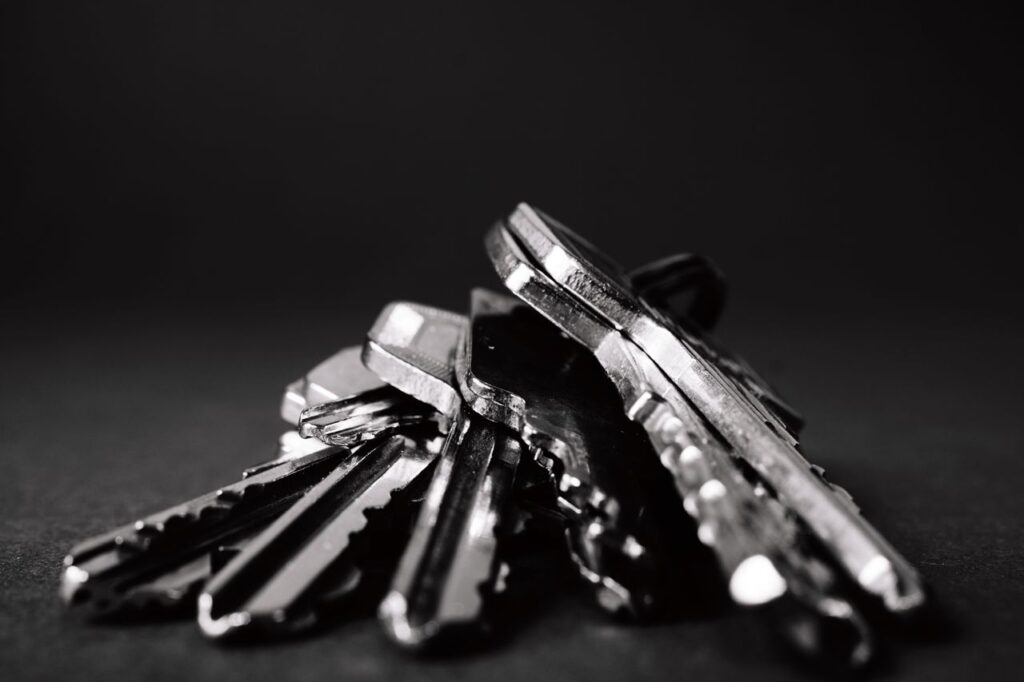
A lot of Kemptown’s housing stock is old. That matters more than people realise when it comes to locks. Older properties often have mortice locks, multipoint locking systems added retrospectively, or original timber frames that have shifted over decades. None of this is a problem for an experienced professional, but it does mean the job isn’t always as simple as it looks from the outside.
Flats in converted houses can also throw up complications. Communal entrance doors, secondary locks added by previous tenants, or uPVC doors fitted to Victorian frames are all things a local specialist will have seen before. Familiarity with the area and its housing types genuinely makes a difference to how efficiently a job gets done.
If you’re a landlord or letting agent, it’s worth knowing that lock changes after a tenancy are best done properly. A quick cheap replacement with a low-grade cylinder is a false economy on a property you’re responsible for.
The Difference Between a Good Job and a Cut-Corner Job
Here’s something most people don’t think about until after the fact. A lock replacement isn’t just about fitting something that works. It’s about fitting something that’s appropriate for the door, correctly aligned, properly secured, and at the right security rating for your insurance and peace of mind.
A cylinder that’s too long, for example, can be snapped off using a technique called lock snapping. It’s one of the most common methods of forced entry in the UK, and it’s entirely preventable with the right hardware. Any professional worth their call-out fee will know this and will advise you accordingly.
Good work also means the door works smoothly afterwards. The lock turns properly, the door opens and closes as it should, and if there was any wear on the mechanism beforehand, that’s been addressed rather than masked. It sounds obvious, but not every job is done to that standard.
What You Should Actually Ask Before They Start
If you’re calling someone out for the first time, a few simple questions will tell you a lot:
- Can you give me a rough price before you start?
- Will you try non-destructive entry first?
- What kind of replacement lock would you recommend, and why?
- Are you covered by insurance for this type of work?
A professional will answer all of these without hesitation. Vagueness on pricing before the job starts is a red flag. So is pressure to make a quick decision about upgrading to expensive hardware before you’ve had a chance to think.
What Good Really Looks Like After the Job Is Done
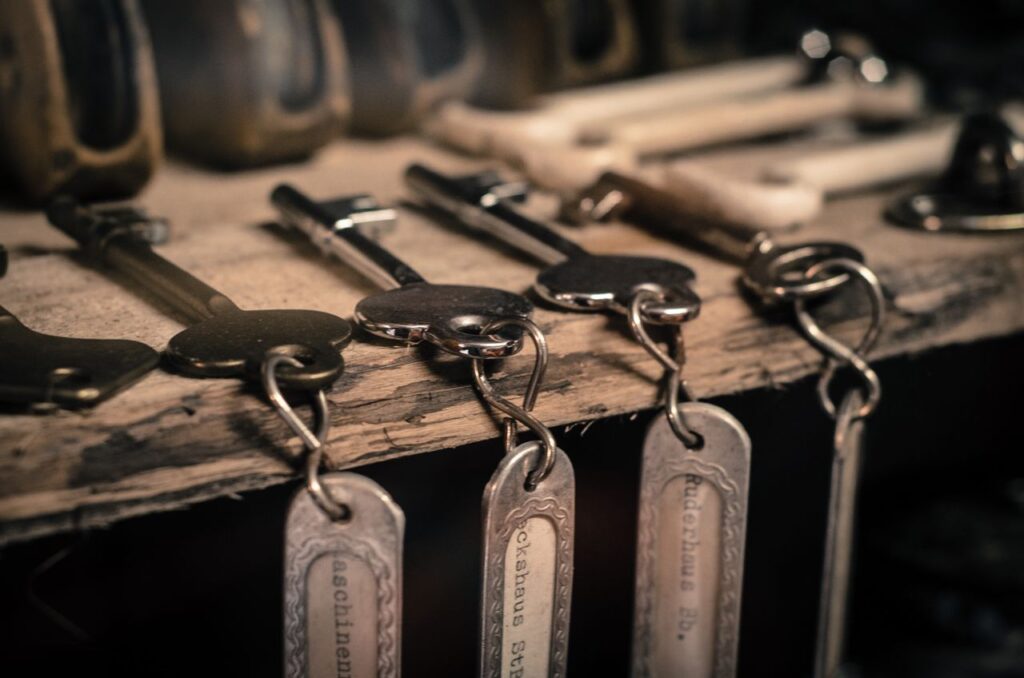
Once a proper job is finished, a few things should be true. The door opens and locks from both sides without sticking or resistance. Any new cylinder or lock is fitted flush and secure, with no wobble or play in the mechanism. You’ve been given keys that actually work, and the right number of them. And you’ve had a brief explanation of what was done and why.
If a lock was drilled as a last resort, the door should still be left in a usable and secure state. If a new lock was fitted, you should know the make, model and security rating. None of this is going above and beyond. It’s just what a proper job looks like.
The experienced local specialists at BTN Locksmiths work across Kemptown, Brighton and the surrounding areas. If you’d like honest advice about your locks, a property security check, or just want to know what’s involved before you need to call anyone in a hurry, get in touch with our team working across Brighton and Kemptown. No pressure, no jargon, just a straight conversation.